KTN Journalist Dies While Undergoing Treatment in Machakos
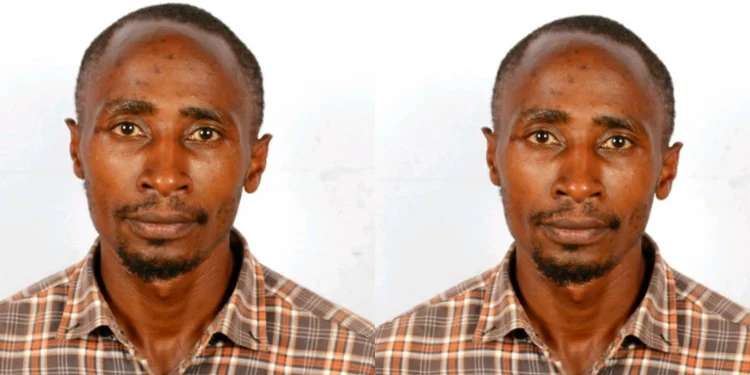
KTN correspondent and veteran cameraman Japeth Makau has passed away while undergoing treatment at a hospital in Machakos, his family has confirmed.
Makau, who joined KTN in 2009, served as a full-time cameraman until his death, building a distinguished career that spanned more than a decade in broadcast journalism. He was widely respected for his professionalism, storytelling skills and dedication to impactful reporting.
An award-winning journalist, Makau was particularly recognised for his coverage of stories that helped transform Kenya’s agriculture sector.
His work highlighted the shift from chemical to organic farming and showcased innovative agribusiness ventures, especially those led by young people who turned agriculture into sustainable livelihoods.
In 2018, Makau’s excellence behind the camera was formally acknowledged when he won the Cameraman of the Year award at the Open Forum on Agricultural Biotechnology in Africa (OFAB) Kenya Media Awards.
KTN correspondent and veteran cameraman Japeth Makau
Throughout his career, he produced and contributed to numerous influential stories that inspired a new generation of farmers and entrepreneurs. Beyond fieldwork, Makau also wrote articles on a wide range of topics, including business, politics and governance.
Some of his published work included stories on Octagon Africa and AlexForbes’ partnership to expand retirement savings for MSMEs, Kenya’s securing of global support for the expanded Haiti security mission, and political developments such as responses to TIFA polls within the Kenya Kwanza coalition.
Makau possessed a diverse professional skill set that went beyond camera operation. His expertise included journalism, studio and field camera work, editing, social media management, media relations, public relations, press releases and event planning, making him a versatile and valuable member of the newsroom.
He trained at the Kenya Institute of Professional Studies, where he earned a Diploma in Journalism and Media Studies between 2007 and 2010.
Tributes have begun to pour in from colleagues and friends in the media fraternity, who remember Japeth Makau as a dedicated professional whose work left a lasting impact on Kenyan journalism.
iShowSpeed Teases Live Safari Experience Ahead of Kenya Visit
American streamer iShowSpeed has sent fans into a frenzy after revealing some of the activities he plans to take part in once he arrives in Kenya as part of his highly anticipated African tour.
During a live stream on his YouTube channel on Monday, January 5, 2026, the internet sensation announced that a live safari experience is top of his Kenya itinerary.
“Damn! We are doing a live safari stream in Kenya,” iShowSpeed excitedly told his millions of viewers, instantly sparking excitement among Kenyan fans and wildlife lovers alike.
The popular streamer, whose real name is Darren Jason Watkins Jr, is currently on a 28-day, continent-spanning tour dubbed Speed Does Africa. The tour kicked off on December 29, 2025, in Angola, where he was welcomed by massive crowds and quickly went viral for spontaneous street challenges and high-energy live-stream moments.
After Angola, iShowSpeed headed to South Africa, streaming from several cities including Cape Town. While there, he interacted with local dancers and rugby players and celebrated a major milestone—hitting 47 million subscribers on YouTube—which he marked by celebrating with fans in the streets.
On January 3, 2026, the tour moved to Mozambique, where the streamer was greeted by enthusiastic crowds in the capital. He attempted traditional pot-balancing, joined a local dance troupe, and shared moments of awe as he explored the country’s scenery and culture.
Kenya is among more than 20 African countries lined up on iShowSpeed’s ambitious tour, which streams live daily on YouTube and Twitch. His planned safari live stream is already being tipped as one of the tour’s most memorable moments, blending entertainment with a showcase of Kenya’s world-famous wildlife.
The Speed Does Africa tour continues to attract global attention for its mix of high-energy entertainment, cultural immersion, and real-time engagement with fans across the continent.
The Ministry of Education has officially released the academic calendar for the 2026 academic year, outlining school term dates and national examination schedules for Basic Education Institutions and Diploma Teachers Training Colleges (DTTCs).
The comprehensive calendar is contained in a circular signed by Basic Education Principal Secretary Julius Bitok and copied to Education Cabinet Secretary Julius Ogamba, the Teachers Service Commission (TSC), the Kenya National Examination Council (KNEC) and the Council of Governors.
The circular has been dispatched to all regional, county and sub-county directors of education.
According to the schedule, Basic Education Institutions—covering pre-primary, primary, junior, senior and secondary schools—will open for the 2026 academic year on January 5, 2026.
Term I will run for 13 weeks, closing on April 2, 2026. Learners will have a five-day half-term break from February 25 to March 1, 2026. This will be followed by a three-week April holiday running from April 7 to April 24, 2026.
Term II is scheduled to last 14 weeks, opening on April 27 and closing on July 31, 2026. A second half-term break will take place between June 24 and June 28. Schools will then close for the August holiday, which will run for three weeks and end on August 21.
Term III, the shortest term, will run for nine weeks from August 24 to October 23, 2026.
The circular also confirmed the dates for all major national examinations. The Kenya Primary School Education Assessment (KPSEA) and the Kenya Intermediate Level Education Assessment (KILEA) will run for five days starting October 26, 2026. The Kenya Junior School Education Assessment (KJSEA) and the Kenya Pre-Vocational Level Education Assessment (KPLEA) will also begin on October 26 and run for seven days.
The Kenya Certificate of Secondary Education (KCSE) examination will be conducted over three weeks, from November 2 to November 20, 2026.
Following the completion of examinations, students will proceed for the long end-of-year holiday. The December break will last 10 weeks, running from October 26, 2026, to January 1, 2027.
Diploma Teachers Training Colleges will follow a similar academic schedule. However, their third term will be longer, lasting 11 weeks and ending on November 6, 2026. DTTCs will begin their December holiday on November 9.
The Ministry also reiterated an existing restriction affecting secondary schools. The circular states that activities and visits to secondary schools during the third term of 2026 remain prohibited, in line with earlier directives.
The academic calendar applies to all institutions of basic education across the country.
Audit Warns JKF Near Insolvency, Puts 14,000 Elimu Scholarship Beneficiaries at Risk
A recent audit has raised serious concerns over the financial and operational stability of the Jomo Kenyatta Foundation (JKF), warning that the state agency’s worsening position could threaten its scholarship programmes, including support for more than 14,000 learners under the World Bank-funded Elimu Scholarship Programme.
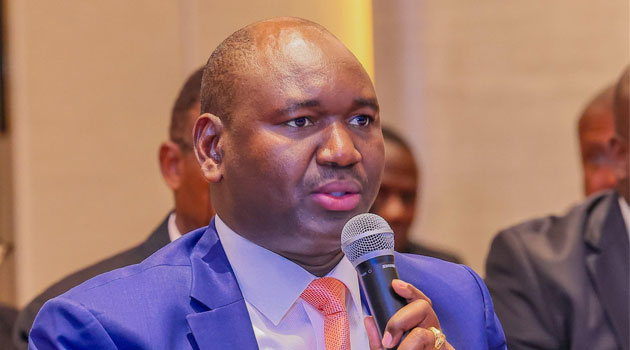
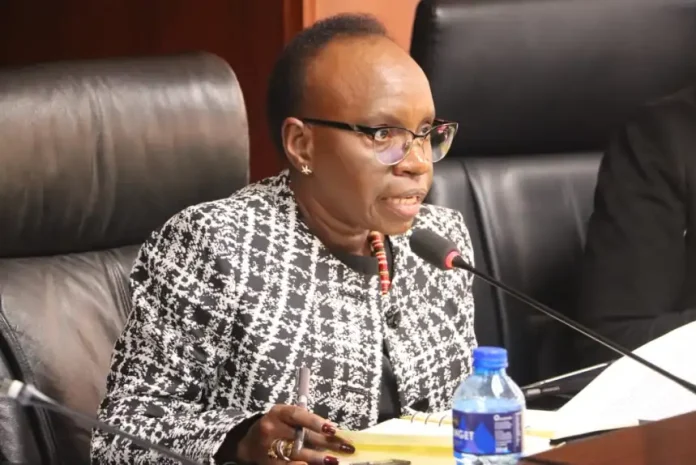
According to the Auditor General’s report, JKF is sliding toward insolvency, with accumulated losses reaching Ksh934 million as of June 2025. Although the foundation’s annual net loss reduced to Ksh167 million from Ksh303 million the previous year, Auditor General Nancy Gathungu cautioned that the improvement is insufficient to halt the erosion of JKF’s net worth or restore its ability to meet financial obligations.
The audit shows a sharply weakened working capital position, with current liabilities standing at Ksh779 million against current assets of just Ksh207 million. This leaves JKF with a negative working capital of Ksh571.6 million, a situation the Auditor General warned undermines day-to-day operations and heightens the risk of default, litigation and further financial strain.
Management attributed the downturn largely to the collapse of the foundation’s publishing business, historically its main revenue source. Policy changes that opened the textbook market to private publishers, combined with the shift to the Competency-Based Curriculum, left JKF with obsolete stock and minimal government orders.
As a result, publishing income plunged by 79 per cent, from Ksh117 million to Ksh25 million, forcing the foundation to compete almost exclusively in the limited private schools market. “Lack of any government orders meant that the public schools segment was largely locked out for Jomo Kenyatta Foundation,” JKF chairperson Rose Waruhiu noted in the annual report.
The uncertainty facing the foundation has been compounded by broader reforms in the education and parastatal sectors. A presidential task force has proposed transferring scholarship administration to a new Kenya Basic Education Bursary and Scholarship Council, a move that could strip JKF of a core function. At the same time, JKF has been listed among state agencies earmarked for dissolution under ongoing parastatal reforms, further clouding its future.
The audit also uncovered significant compliance and financial management weaknesses. JKF had Ksh99.4 million in unremitted statutory deductions, including PAYE, NSSF, NHIF and pension contributions, exposing the foundation to penalties, interest and possible legal action. Outstanding bills stood at Ksh737 million, with Ksh548 million overdue for more than a year, a backlog the Auditor General warned could trigger litigation and additional losses.
Additional control gaps were flagged, including missed quarterly stock counts that cast doubt on Ksh31 million in reported inventory, failure to meet employment requirements for persons with disabilities, instances of staff receiving net pay below legal thresholds, unexplained adjustments to payables, errors in cash flow statements, and misstatements in grant disclosures.
Taken together, the findings point to deep-seated weaknesses in governance, internal controls and financial reporting, raising urgent questions about JKF’s ability to sustain its operations and protect critical education support programmes unless decisive corrective measures are taken.
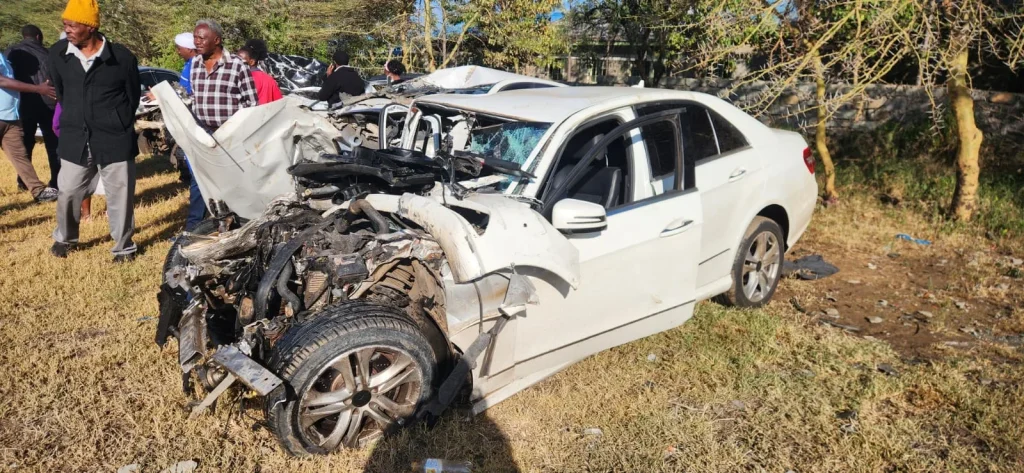
DCI Says Cyrus Jirongo’s Death Appears to Be Road Accident, No Foul Play Found
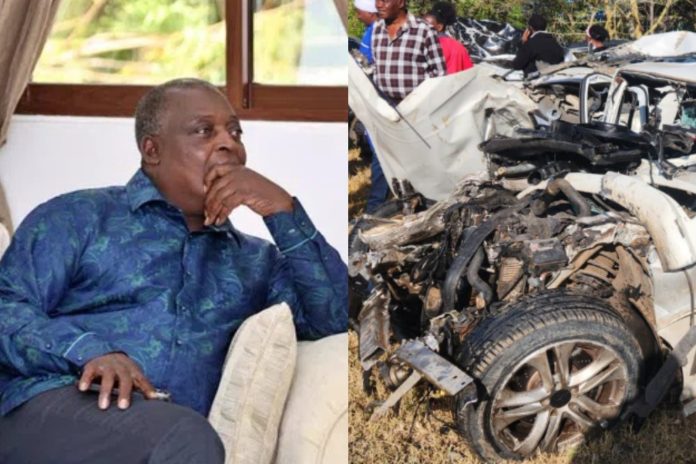
The Directorate of Criminal Investigations (DCI) has stated that preliminary findings into the death of former Cabinet minister and veteran politician Cyrus Jirongo indicate that the incident was a road traffic accident, with no evidence so far suggesting foul play.
In a statement issued on Monday, the DCI said Jirongo died on the night of December 13, 2025, at the Karai area along the Nakuru–Nairobi Highway. Investigators were deployed immediately after the incident to establish the circumstances surrounding his death.
“The Directorate of Criminal Investigations (DCI) wishes to update the public on the ongoing investigations into the tragic death of Hon. Cyrus Jirongo,” the statement read, adding that a multi-agency team was constituted to handle the case.
According to the DCI, the team comprised homicide detectives, experts from the Crime Research and Intelligence Bureau, and forensic specialists from the National Forensic Laboratory. The investigators visited and processed the scene, secured and preserved exhibits, and documented physical evidence.
Detectives also recovered CCTV footage from an Egol petrol station near the scene, which is currently undergoing forensic review. In addition, the bus manifest and amateur videos captured at the scene were obtained and subjected to detailed analysis.
DCI Says Cyrus Jirongo’s Death Appears to Be Road Accident, No Foul Play Found
As part of the investigations, statements were recorded from several key witnesses, including Jirongo’s widow, Ann Lanoi Pertet, who was the first family member contacted after the incident. Statements were also taken from the driver and conductor of the Climax bus involved in the accident, as well as staff at the nearby petrol station.
The DCI further disclosed that senior politicians Moses Wetang’ula, Rebman Malala and Ibrahim Sambul—who had interacted with Jirongo at Karen Oasis restaurant on the evening of December 12, 2025—voluntarily recorded statements to assist investigators.
Seven passengers from the bus also presented themselves to record statements, while detectives questioned Julius Kiprotich Chelule, the driver of an alleged rescue bus with registration number KCU 573A.
“Based on the evidence gathered and analysed to date, the incident appears to be a road traffic accident, with no indications of foul play,” the DCI said.
The agency noted that once the remaining investigative processes are concluded, the file will be forwarded to the Office of the Director of Public Prosecutions (ODPP) for further directions, including the possibility of criminal charges against the PSV driver in line with the available evidence.
The DCI extended its condolences to the family, relatives and friends of Hon. Cyrus Jirongo and urged the public and political leaders to refrain from speculation that could prejudice the investigations or cause public anxiety. It also encouraged anyone with information that could assist the probe to come forward, reiterating its commitment to impartial, thorough and expeditious investigations in accordance with the law.
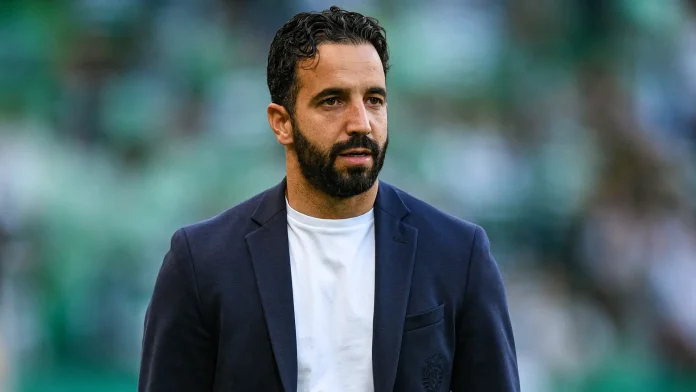
Manchester United Sacks Ruben Amorim With Immediate Effect
Manchester United have parted ways with head coach Ruben Amorim, with the 40-year-old Portuguese manager leaving his role with immediate effect following a complete breakdown in relations at the club.
According to a report by The Athletic, Amorim’s dismissal comes after 14 months in charge, bringing an abrupt end to a tenure that had initially promised a fresh direction for the Old Trafford side.
While the club has yet to issue a detailed statement outlining the specific reasons behind the decision, sources indicate that internal disagreements and strained relationships made Amorim’s position untenable. The breakdown is understood to have involved key figures within the club’s hierarchy, ultimately leading to the decision to terminate his contract.
Amorim joined Manchester United amid high expectations, having built a strong reputation in European football for his tactical approach and man-management skills. However, despite flashes of progress, his time at the club was marked by inconsistency on the pitch and growing tensions behind the scenes.
Manchester United are expected to announce interim arrangements as they begin the search for a new permanent manager. The dismissal adds to a period of uncertainty at the club, which has been undergoing significant changes both on and off the field.
Further details on Amorim’s departure and United’s next steps are expected to emerge in the coming days.
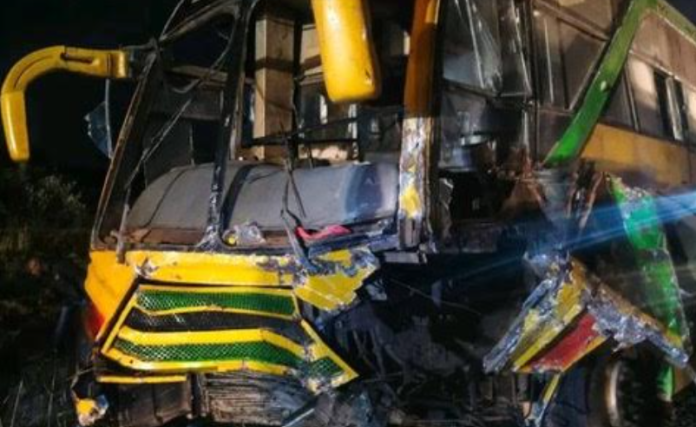
At least nine people were killed in a tragic road accident early Monday morning after a bus collided with a matatu at the Karai area of Naivasha along the busy Nairobi–Nakuru highway.
According to police, the crash occurred at around 2 a.m. on Monday, January 5, involving a bus travelling from Nakuru to Nairobi and a 14-seater matatu heading in the opposite direction. Seven people, including two minors, died on the spot, while two others later succumbed to their injuries while receiving treatment in hospital.
Several passengers sustained injuries and were rushed to Naivasha District Hospital, where some remain admitted. Police said investigations have been launched to establish the exact cause of the accident.
The Karai section of the highway has previously been identified by authorities as a high-risk accident zone, with multiple safety campaigns conducted to warn motorists to exercise caution.
Police further revealed that the Karai crash contributed to a total of 18 fatalities recorded in road accidents between Sunday and Monday morning. The victims included passengers, pedestrians, drivers, a motorcycle rider and a pedal cyclist.
During the same period, at least 59 other people were injured in separate road crashes across the country. Those injured included passengers, riders, drivers, pillion passengers and a pedestrian, all of whom were taken to various hospitals for treatment.
The latest tragedy comes just days after six people were killed in another accident along the Nairobi–Nakuru highway at the Kikopey area in Gilgil, where a trailer collided with a matatu. In a separate incident reported on Friday, January 2, six passengers lost their lives along Mombasa Road at Katumani near Konza City after a bus rammed into a matatu, leaving seven others critically injured.
Authorities have once again urged motorists to observe traffic rules and exercise caution on the roads, warning that road accidents remain a major public safety concern despite ongoing awareness campaigns by the National Transport and Safety Authority (NTSA). Police said investigations into the recent accidents are ongoing.
Nyandarua Family Appeals for Help After Son Is Abducted by Al Shabaab
A family in Kiandege village, Nyandarua County, is appealing for assistance after their son, who was allegedly abducted by the Al Shabaab militant group in Somalia, resurfaced in a viral video two years after his disappearance.
Ambrose Kimiti, a native of Leshau Pondo Ward, appeared in the video last week, pleading with the Kenyan government to intervene and secure his release.
Kimiti was employed by Iqarus, a British-based security and medical support company, and was contracted by the United Nations to work in Somalia.
According to his family, Kimiti went missing on January 10, 2024, while on a UN-related mission involving medical evaluation and rescue support in the Galgaduud region of central Somalia, an area known for Al Shabaab activity.
Reports indicate that the helicopter he was travelling in suffered mechanical failure and was forced to crash-land. Shortly after the incident, Kimiti and other crew members and passengers were allegedly taken hostage by the militant group.
His brother, Martin Mwangi, said the family had unsuccessfully sought help from various government offices since his disappearance.
“We did not know where our brother had been for the last two years until recently, when the video resurfaced. We urge the government to help rescue him,” Mwangi said.
He also called on the United Nations to take action, noting that Kimiti was working under a UN contract at the time of the incident.
“They are the employers, yet we have not seen any response from them. We also call upon Kenyans to pray for this rescue,” Mwangi added.
The family says they remain hopeful that renewed public attention will prompt swift intervention to secure Kimiti’s safe return.
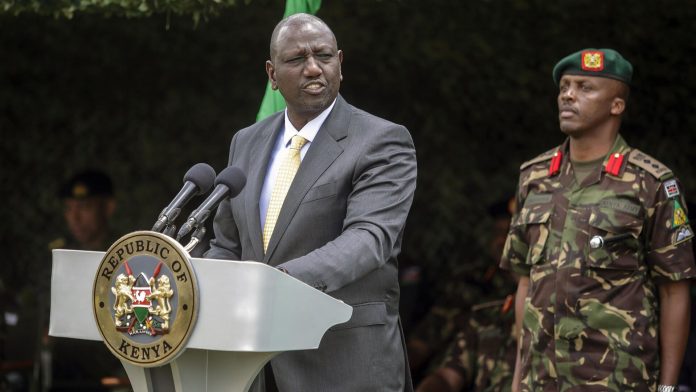
UDA to Form Alliance with ODM Ahead of 2027 General Election, Ruto says
President William Ruto has hinted at the formation of a political alliance with the Orange Democratic Movement (ODM) party as part of efforts to secure his re-election in the 2027 General Election.
Speaking on Friday at Raila Odinga Stadium in Homa Bay Town, where he presided over the Genowa Governor’s Cup—an annual sports tournament organised by Homa Bay Governor Gladys Wanga—President Ruto said discussions were already underway to establish a new political alliance that would form the next government.
The President urged ODM leaders to strengthen their party to enable it to become a formidable political force, even as he reaffirmed his commitment to consolidating his United Democratic Alliance (UDA) party and the wider Kenya Kwanza coalition.
“I tell members of ODM to be ready. On our side as UDA and Kenya Kwanza, we are also ready. Let us strategise and join hands in forming a government that will make Kenya a first-world country,” Ruto said.
Ruto also took aim at his political opponents, urging them to abandon campaigns rooted in hostility and instead focus on development-oriented agendas that address the needs of ordinary Kenyans.
“I tell my opponents to tell Kenyans their agenda. Let them stop campaigning based on abstract issues which cannot add value in the lives of Kenyans,” he said.
He added that voters would not be swayed by superficial considerations, arguing that leadership should be judged on tangible development outcomes rather than appearances or rhetoric.
“Some of those who are vying for the presidency have worked in government for 40 years yet they have done nothing for Kenyans. We don’t want unnecessary side shows in the name of campaigns,” Ruto noted.
Energy Cabinet Secretary Opiyo Wandayi and ODM Secretary-General Edwin Sifuna were among ODM leaders present, alongside ODM veteran Oburu Odinga, who assured the President of the party’s commitment to cooperation within the broad-based government framework.
“As ODM, we will work in the broad-based government until 2027 to support President Ruto,” Oburu said.
Governor Gladys Wanga, however, used the occasion to criticise former President Uhuru Kenyatta, accusing him of attempting to destabilise the ODM party.
“I tell our former President to stop sending machinery to destroy ODM. We collaborated with him in the handshake government, but he never gave us the development projects the current government is delivering in our region,” Wanga said.
The remarks underscore the shifting political dynamics ahead of the 2027 polls, with signals of possible realignments that could reshape Kenya’s political landscape.
High Court Ruling Against Julius Mwale Fuels Fresh Debate Amid Havi–Judiciary Standoff
A controversial High Court decision involving US-based tycoon Julius Mwale has drawn renewed attention to the escalating public dispute between the Judiciary and former Law Society of Kenya (LSK) president Nelson Havi.
In a ruling delivered on February 27, 2025, Justice Freda Mugambi held Mwale personally liable for a Sh17 million debt arising from a commercial dispute, despite the suit having been filed against his company, Tumaz and Tumaz Limited.
The plaintiff, Sifatronix Limited, had sued Tumaz for alleged breach of contract relating to the supply of murram in 2017.
Sifatronix, a company reportedly owned by an employee of the Kenya Revenue Authority (KRA), claimed it supplied murram worth Sh17 million to Tumaz and was never paid. However, during the proceedings, Sifatronix did not produce a written contract between itself and Tumaz.
Tumaz disputed the claim, arguing that Sifatronix was a subcontractor to Epic Agencies, a firm owned by the late Dr. Fitzgerald Oketch. Dr. Oketch swore an affidavit and testified that Epic Agencies—not Sifatronix—had a direct contract with Tumaz, and that Sifatronix had no contractual relationship with Tumaz. His evidence supported an affidavit filed by Mwale.
Despite these submissions, the court ruled that both Tumaz and Mwale were liable to pay Sifatronix Sh17 million plus interest.
Tumaz subsequently lodged an appeal at the Court of Appeal in Nairobi, where the matter is awaiting hearing. As the appeal process commenced, Mwale’s legal team sought a stay of execution of the High Court orders.
High Court Ruling Against Julius Mwale Fuels Fresh Debate Amid Havi–Judiciary Standoff
Dr. Oketch died unexpectedly in October 2025, shortly before the stay application was argued. Senior Counsel Nelson Havi appeared for Mwale before Justice Alnashir Visram, who referred the application back to Justice Mugambi on December 16, 2025.
No stay was granted on that date, and the court set the matter for hearing on February 18, 2026.
On December 18, 2025, Mwale’s lawyers filed a certificate of urgency seeking a stay and offered to provide a financial guarantee pending the appeal. The following day, Justice Mugambi granted a conditional stay, giving the defendants 30 days from December 19 to deposit the guarantee.
The case took another turn when, two days later, the judge issued revised orders altering the compliance timeline. The new directions required compliance by Christmas Day, rather than within 30 days. These revised orders were issued ex parte—without the presence of the defendants’ lawyers—and just hours before Christmas, a move that has since attracted criticism.
Mwale’s appeal challenges the High Court decision on points of law, including the principle that directors of limited liability companies are generally not personally liable for company debts. Several legal commentators have suggested the appeal raises substantial legal questions and that the High Court ruling may be overturned, in whole or in part.
The dispute has unfolded against the backdrop of Senior Counsel Havi’s public campaign alleging corruption within the Judiciary. Havi has repeatedly claimed that some judges accept bribes to influence decisions—allegations the Judiciary has denied. In October 2025, Havi said he had been sanctioned by Justice Mugambi for his outspoken criticism.
Havi has previously represented Tumaz in other high-profile litigation, including a 2022 dispute with the County Government of Kakamega over the Mumias Sugar lease. In that case, Tumaz emerged as the top bidder with a Sh27 billion offer. The county government, then led by Governor Wycliffe Oparanya, sought to block the award through the courts. In October 2025, the High Court in Kakamega dismissed the county’s case and awarded costs to Tumaz, which were later assessed at Sh700 million.
As the Nairobi matter proceeds to the Court of Appeal, questions continue to be raised about the basis of the High Court’s decision—particularly the award in favor of a claimant who produced no contract, the piercing of the corporate veil to impose personal liability on a director, and the issuance of conflicting and last-minute ex parte orders.
Whether these developments are connected in any way to the broader public confrontation between Mwale’s legal team and the Judiciary remains a matter of debate.
A representative for Mwale declined to comment, citing the ongoing court proceedings.