



Millions of learners in APBET institutions stand to benefit from proposed legislation
Kenya’s lawmakers have thrown their weight behind a Bill that seeks to bring Alternative Provision of Basic Education and Training (APBET) schools into the formal education fold, a move that could transform the learning prospects of millions of children currently left out of government support.
The Basic Education (Amendment) Bill, 2025, sponsored by Mathare Member of Parliament Anthony Oluoch, proposes integrating informal learning institutions into the mainstream education system to enable them access government funding, infrastructure support and learning materials.
APBET schools — which include non-formal education centres, adult learning institutions, mobile schools and night schools — operate largely in informal settlements across the country. Despite serving some of the most vulnerable learners, they remain unrecognised under the Basic Education Act, 2013, which classifies schools as either public or private only. This legal gap has left learners in these institutions without National Education Management Information System (Nemis) registration, effectively locking them out of government capitation and examination registration.
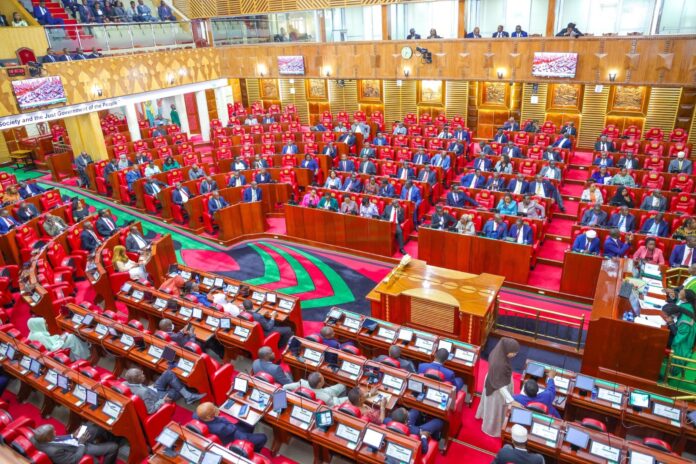
MP Oluoch told the House that approximately three million children currently fall outside the formal education system. Lawmakers supporting the Bill argued that the continued failure to recognise these institutions undermines the constitutional right to education and abandons vulnerable learners without recourse.
Deputy Speaker Gladys Boss lent her voice to the proposal, noting that it would complement national efforts to achieve universal access to education. She acknowledged the reality that many children attend informal schools due to limited access to formal institutions.
Ruaraka MP Tom Kajwang’ raised concerns about the long-term consequences of the status quo, warning that lack of recognition directly affects learners’ ability to progress to higher education.
Beyond recognition and funding, the Bill also proposes representation of APBET schools on the National Education Board and would require county directors of education to maintain up-to-date data on the institutions — a step seen as crucial to planning and accountability.
If passed, the legislation would mark a significant shift in Kenya’s approach to inclusive education, ensuring that geography and socioeconomic circumstance no longer determine a child’s access to quality learning.