



The High Court has put the brakes on Kenya’s newly launched automated traffic fines system, issuing conservatory orders that suspend its enforcement while a legal petition challenging its legality is heard and determined.
Justice Bahati Mwamuye of the High Court granted the orders on Thursday, following a petition by lawyer Shadrack Wambui who challenged the directive introducing the system. The orders bar the National Transport and Safety Authority (NTSA) and all related parties — including those operating within a multi-agency enforcement framework — from issuing, generating, demanding, or enforcing instant or automated traffic penalties until the case is fully resolved.
Specifically, the court restrained authorities from deploying algorithm-based or other automated systems to issue traffic fines under the contested Instant Fines Traffic Management System.
A Strict Legal Timeline
The court has set clear deadlines for the legal battle ahead:
- March 13, 2026 — Petitioners must serve the court order to all respondents.
- March 20, 2026 — NTSA and the State Law Office must file their responses.
- April 9, 2026 — The matter will be mentioned to confirm compliance and schedule an expedited hearing.
Justice Mwamuye indicated the court is targeting a final determination within 90 days of the mention date.
What the System Does
NTSA announced the fully automated system earlier this week, describing it as a tool to enhance transparency, efficiency, and accountability in traffic enforcement — operating entirely without human intervention.
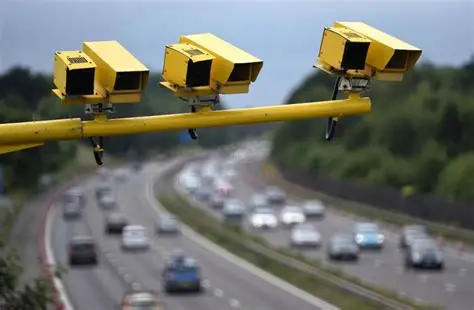
Under the system, smart cameras installed along major roads — including the Thika Superhighway, Mombasa Road, and the Southern Bypass — capture traffic violations in real time using both fixed and mobile units. Detectable offences include speeding, lane indiscipline, driving on pavements, illegal PSV boarding, mobile phone use while driving, and failure to wear seatbelts.
The system then uses Artificial Intelligence (AI) and Automatic Number Plate Recognition (ANPR) to cross-check vehicle plates against NTSA’s database and the owner’s e-driving licence, before sending an instant SMS notification to the vehicle owner with full details of the violation and the fine amount.
Fines range from Ksh 500 to Ksh 10,000 depending on the offence, and must be settled within seven days through KCB branches, M-Pesa, or USSD codes. Unpaid fines accrue interest after the seven-day window, and defaulters are blocked from accessing NTSA’s digital services — including vehicle inspections, logbook applications, and ownership transfers.
The system is also linked to the Smart Driving Licence framework, where repeat offenders may face demerit point deductions, licence suspension, or mandatory retraining.
Controversy and Pushback
The launch of the system triggered immediate debate among motorists and transport stakeholders, raising concerns about due process, the legality of automated enforcement, and the fairness of a system that issues fines without human oversight.
The petition by Wambui appears to crystallise those concerns into a formal legal challenge, questioning whether NTSA has the legal authority to implement such a system without proper legislative backing or public participation.
The case forms part of NTSA’s broader Usalama Barabarani road safety initiative, which aims to modernise traffic enforcement and reduce reliance on manual processes.
The outcome of the petition is expected to have significant implications for the future of automated law enforcement in Kenya. For now, motorists can breathe easy — the cameras may be watching, but the fines are on hold.