
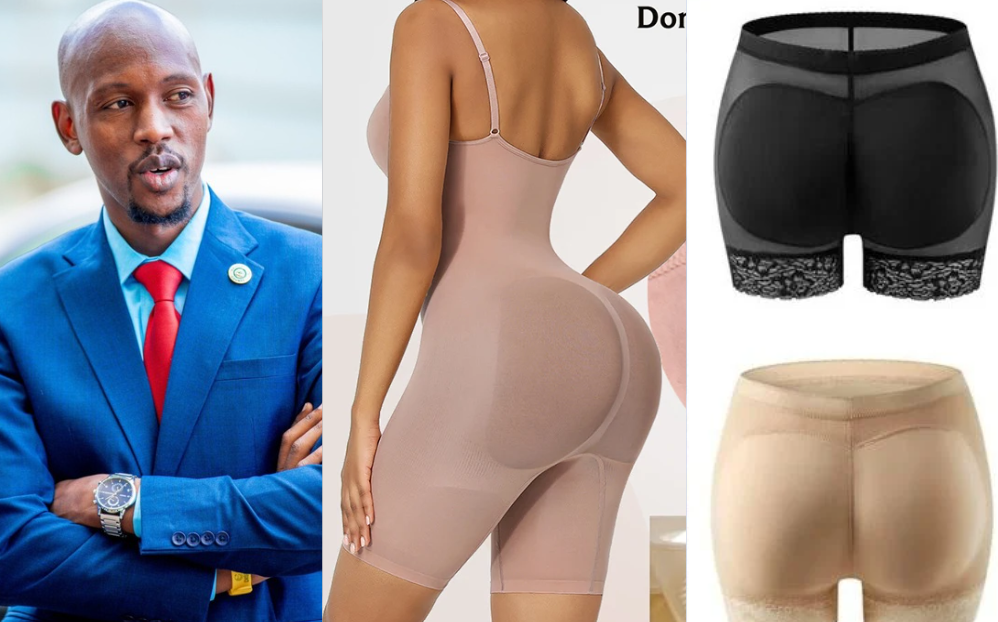

Nairobi Chief Officer for Citizen Engagement and Customer Care Geoffrey Mosiria has sparked debate after calling on women to ditch artificial body-shaping clothing, warning that the growing trend of fake curves is misleading, unhealthy and driven by unrealistic beauty standards.
Mosiria made the remarks after visiting a clothing store where he encountered hip pads, butt boosters and tummy binders openly displayed for sale. The discovery, he said, was an eye-opener.
“Jameni, everything out here is fake these days! I’ve just realised today that men are no longer safe from what they admire,” Mosiria wrote in a post on Saturday.
“You get excited thinking you’ve hit the jackpot, only to later discover the ‘assets’ were sponsored by extra layers, pads and creative engineering.”
Beyond the humour, Mosiria’s message carried a serious appeal. He urged women to embrace their natural bodies and avoid shortcuts that could compromise both their health and confidence.
“Dear ladies, relax. At the end of the day, there will always be someone who loves, prefers and appreciates you exactly the way you are — without upgrades, modified installations or software updates,” he said, adding his signature line: “Original is always premium!”
Artificial shapewear such as hip pads, padded underwear, butt enhancers and waist trainers have become increasingly popular, especially on social media and online marketplaces. Marketed as quick fixes for achieving a curvier silhouette, these products instantly lift and shape the body under clothing — effects that disappear as soon as they are removed.
Health experts, however, warn that some of these body-shaping gadgets come with risks when misused.
According to Healthline, waist trainers and overly tight shapewear can compress internal organs, restrict breathing and cause discomfort if worn for long periods. Prolonged compression may interfere with digestion, reduce lung capacity and weaken core muscles.
“These gadgets may give a quick look, but they don’t provide real, lasting results,” a health specialist noted. “The pressure they put on your midsection can cause breathing issues and may interfere with your core strength.”
Mosiria echoed these concerns, saying many women feel pressured to alter their bodies due to social media trends and unrealistic beauty ideals. He encouraged healthier, sustainable alternatives that promote long-term wellness rather than temporary appearances.
“If you’re not okay with your body, hit the gym or eat healthy — avocados, sweet bananas — or consult a doctor on what to do,” he advised.
Fitness and nutrition experts agree that maintaining a healthy body is best achieved through balanced diets, regular exercise and strength training, rather than artificial enhancers. A combination of aerobic workouts and muscle-toning routines helps burn fat and build lean muscle, while proper hydration, rest and whole foods support overall health.
In his closing message, Mosiria emphasized that confidence, self-esteem and self-acceptance matter far more than temporary looks.
He urged women to choose wellness over quick fixes and to value themselves beyond physical appearance, reminding them that authenticity, not artificial curves, is what truly lasts.