
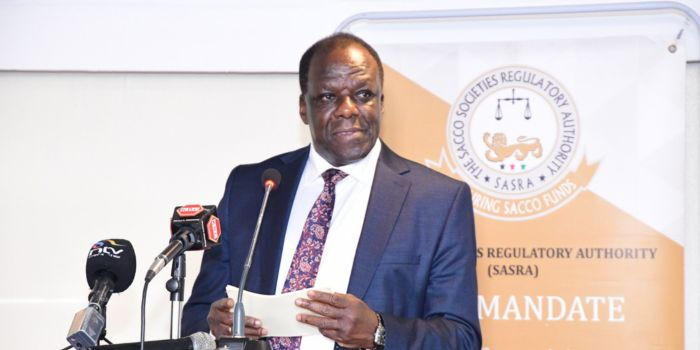

Only 2,700 of the country’s registered Saccos have filed required returns. Cabinet Secretary Oparanya has warned the rest face deregistration under sweeping new reforms.
The Kenyan government has issued a firm ultimatum to the country’s cooperative sector: comply with financial accountability requirements within 21 days or face licence revocation. The warning, delivered by Cooperatives Cabinet Secretary Wycliffe Oparanya, targets the vast majority of the country’s 13,000 registered Savings and Credit Cooperative Organisations (Saccos) that have failed to submit mandatory financial returns.
Oparanya made the announcement in Kakamega following a coordination meeting that convened teams from five Western counties to align strategies around coffee farming implementation — a sector that relies heavily on a well-functioning cooperative movement.
“Out of the 13,000 cooperatives, only 2,700 have responded and we are going to give them another 21 days to comply, failure to which we are going to cancel their licenses so that they are either inactive, dormant or they are not operating at all,” the CS said.
He emphasised that financial statements are among the most critical components of the required returns. “When you make returns, one of the most important documents is the financial statement to show how the Saccos have been operating — and this is where the problem lies,” he added.
Beyond the compliance deadline, the ministry is pushing through a broader reform agenda aimed at professionalising the sector. Among the most significant proposed changes is a new minimum membership threshold: any cooperative seeking registration must have at least 1,000 members, up dramatically from the previous requirement that allowed as few as ten individuals to form a Sacco.
A minimum share capital of Sh10 million will also be required under the new framework. Oparanya said new registrations have been frozen pending the implementation of recommendations from an expert committee he commissioned last year.
“Before, even 10 people could come up and form a Sacco. As of now we have stopped the registration of Saccos until the recommendations we have received from the committee of experts that I formed last year are implemented through the National Assembly,” he said.
Lawmakers present at the meeting welcomed the reforms. Ikolomani MP Bernard Shinali, who chairs the National Assembly Committee on Trade, Industry and Cooperatives, noted that several pieces of cooperative legislation are currently before the House and could soon be enacted into law.
“We are happy with some of the proposed laws by the Ministry to streamline the Cooperatives Movement, where the security of the shares of contributors are going to be secured,” Shinali said.
Likuyani MP Innocent Mugabe framed the reforms as part of a broader economic transformation for the region, pointing to the government’s push to diversify Western Kenya’s agricultural base beyond maize and sugarcane into coffee farming.
“This is an economic revolution for our people. With the efforts to support and revive the coffee sector by streamlining the cooperatives, our people are going to venture into coffee farming that is going to change their fortunes and boost the economy of this region,” Mugabe said.
The reform push comes as the government looks to restore confidence in a cooperative sector long plagued by poor governance and lack of transparency, with thousands of Saccos operating with little financial oversight despite holding the savings of millions of Kenyans.